Rwanda. Wildness, Kept.
Eight nights, four of us, two generations. A morning arranged entirely around the animals and an afternoon arranged entirely around you, and why the second is what makes the first possible.
Slide 1 of 22
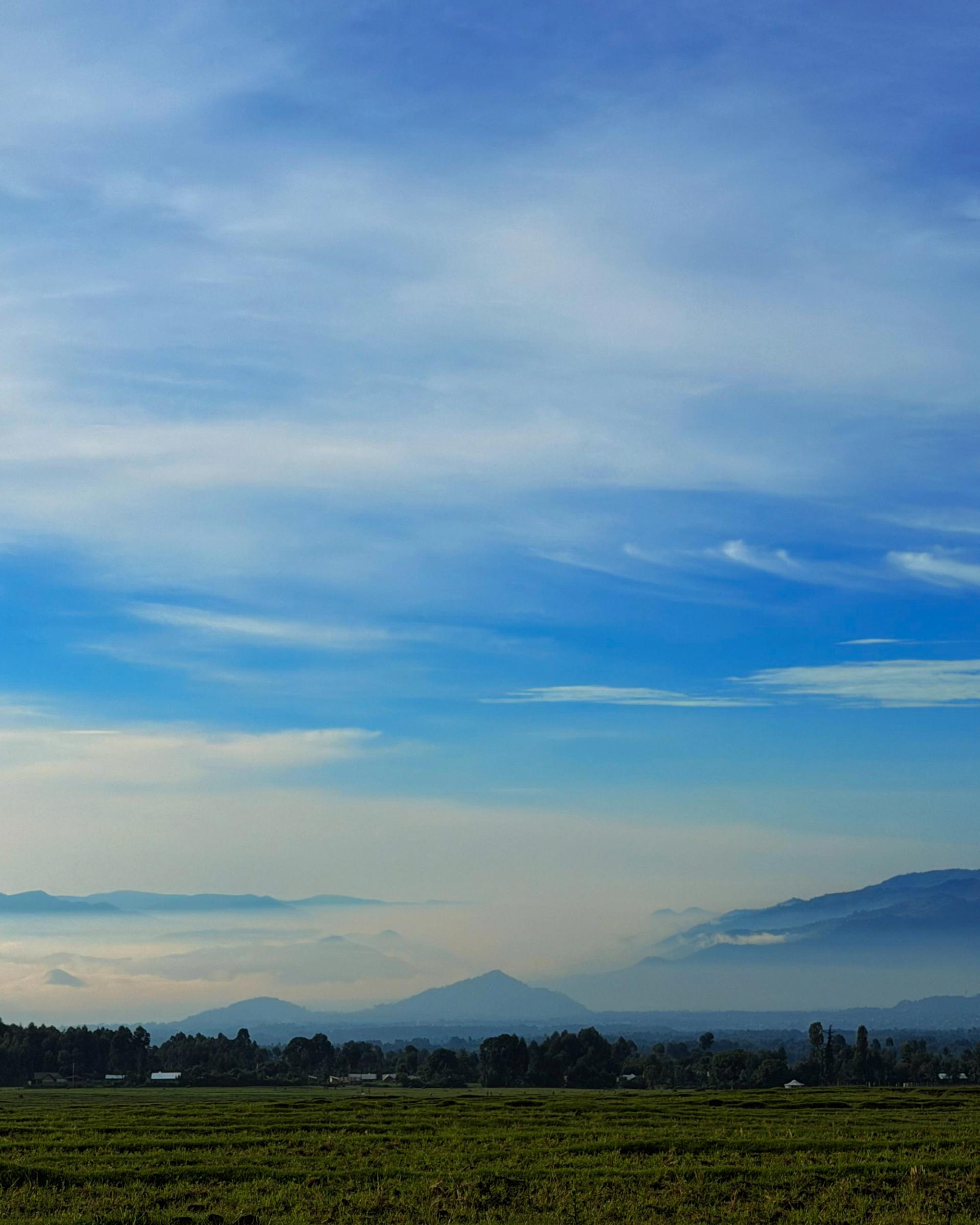
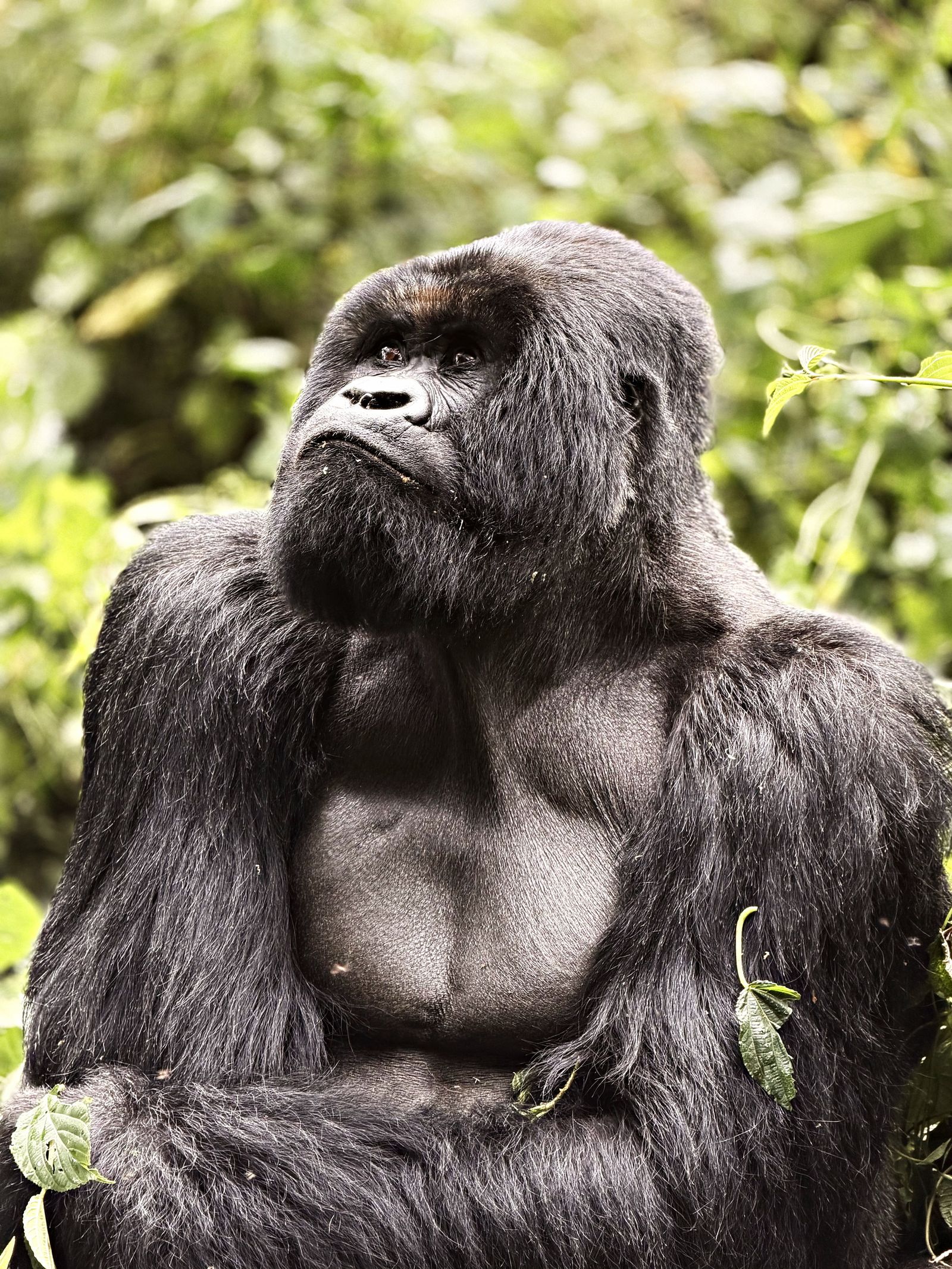
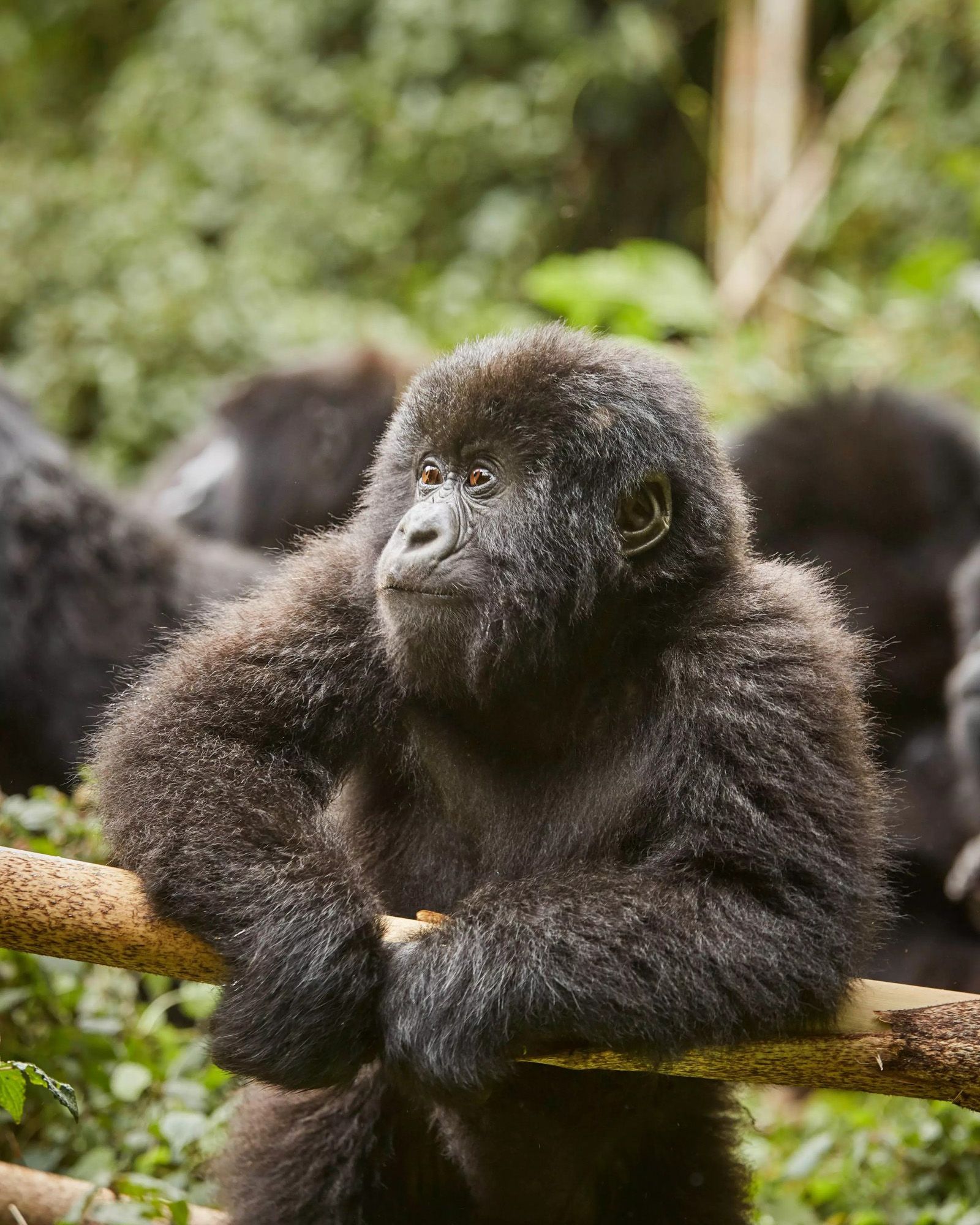
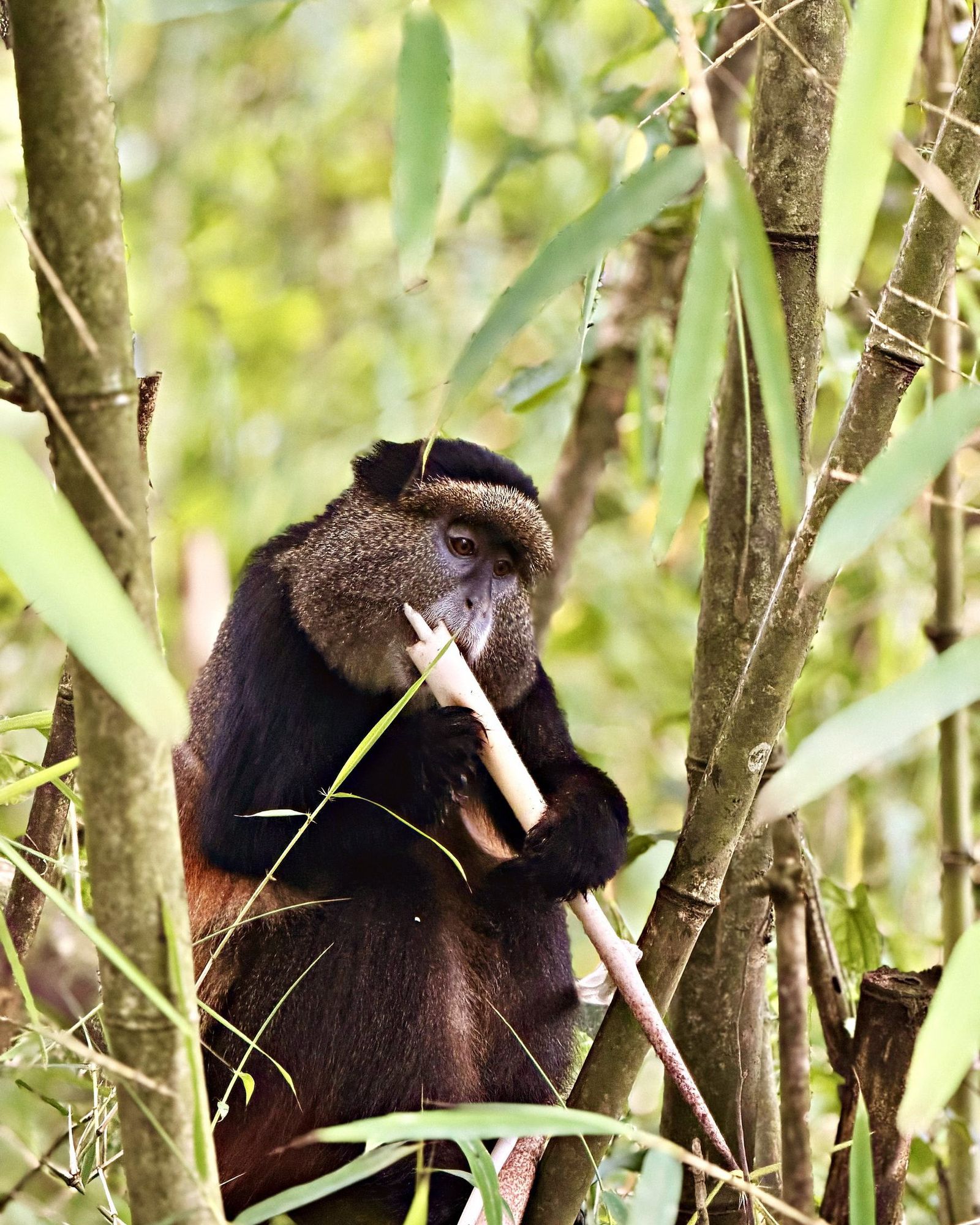
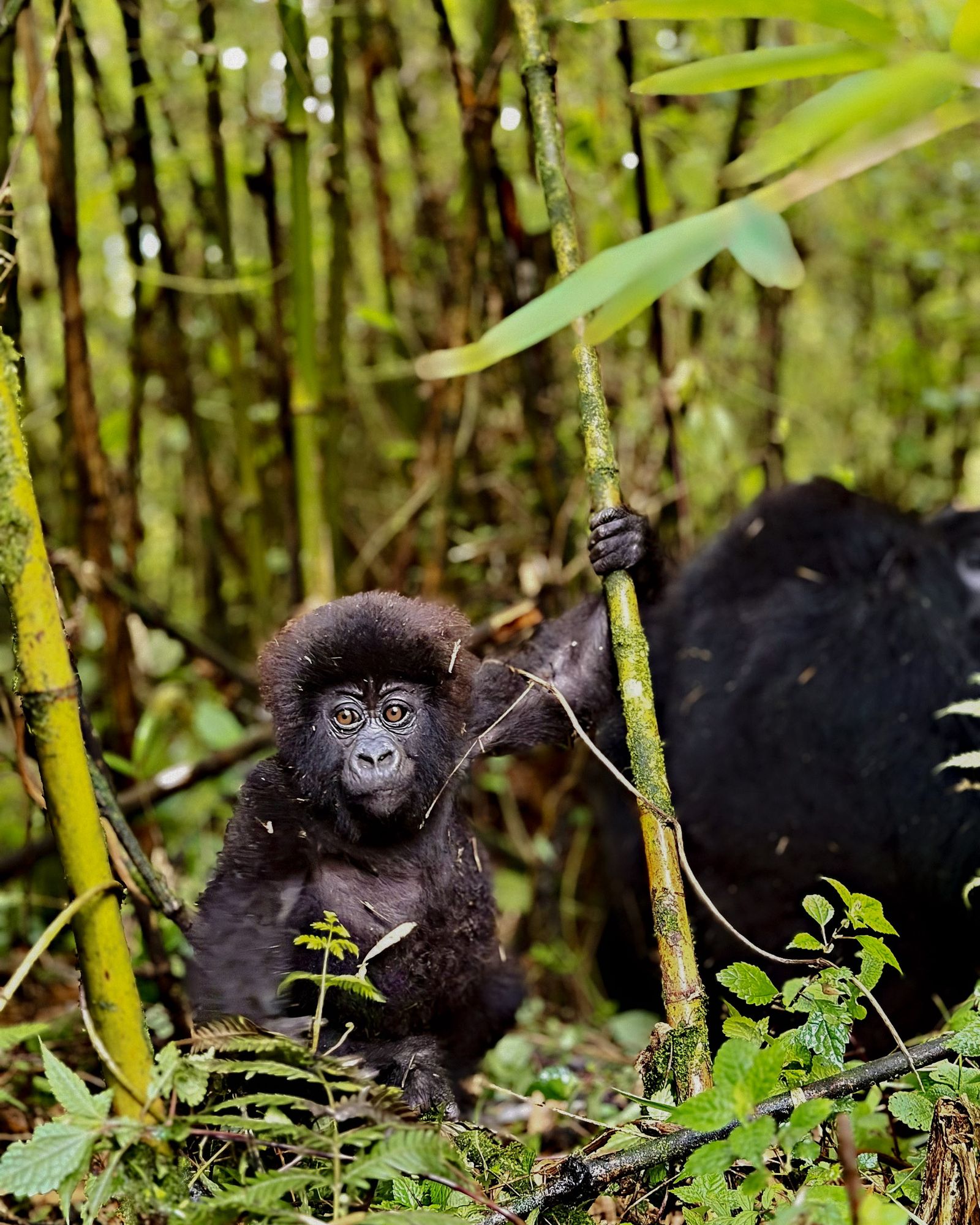
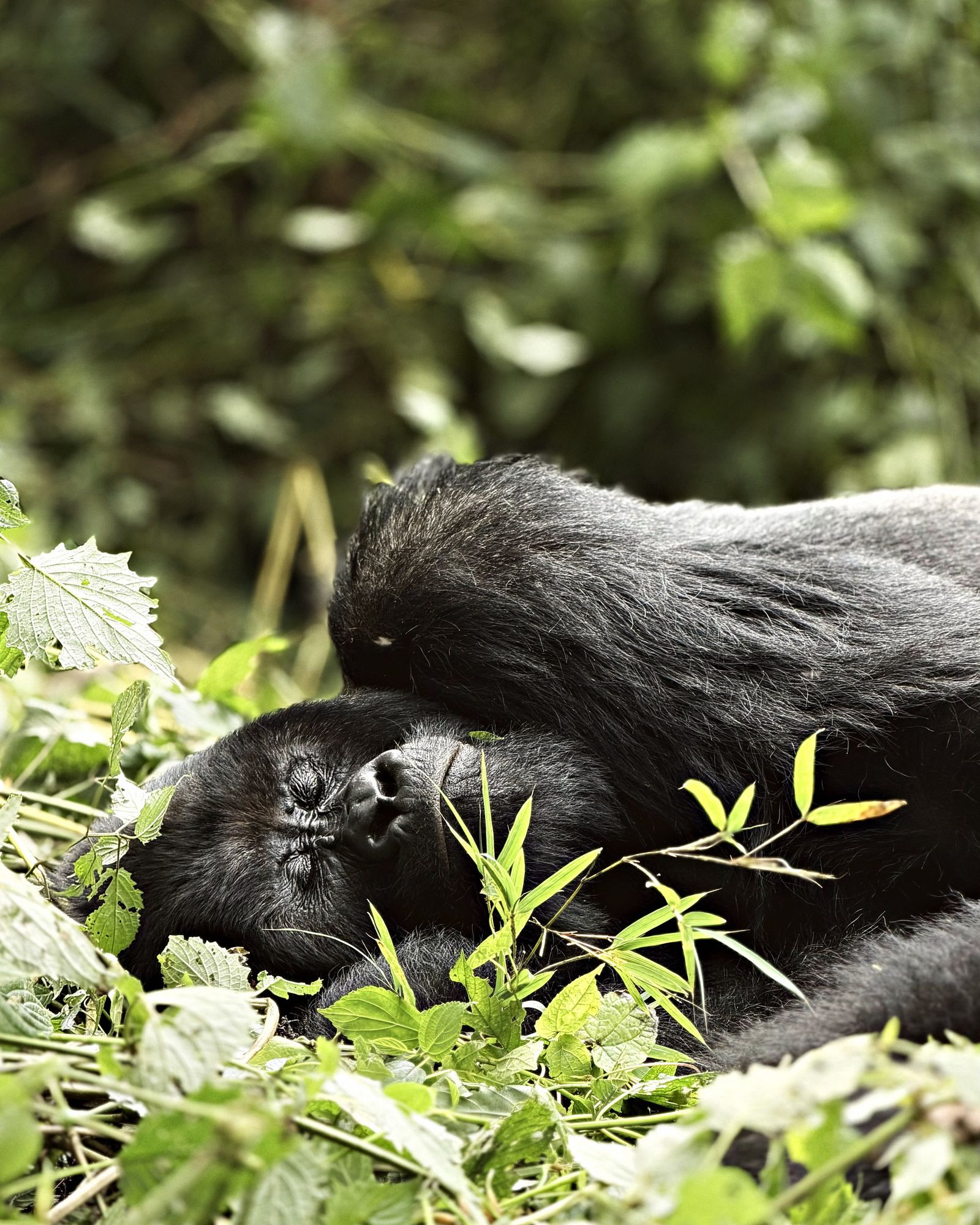
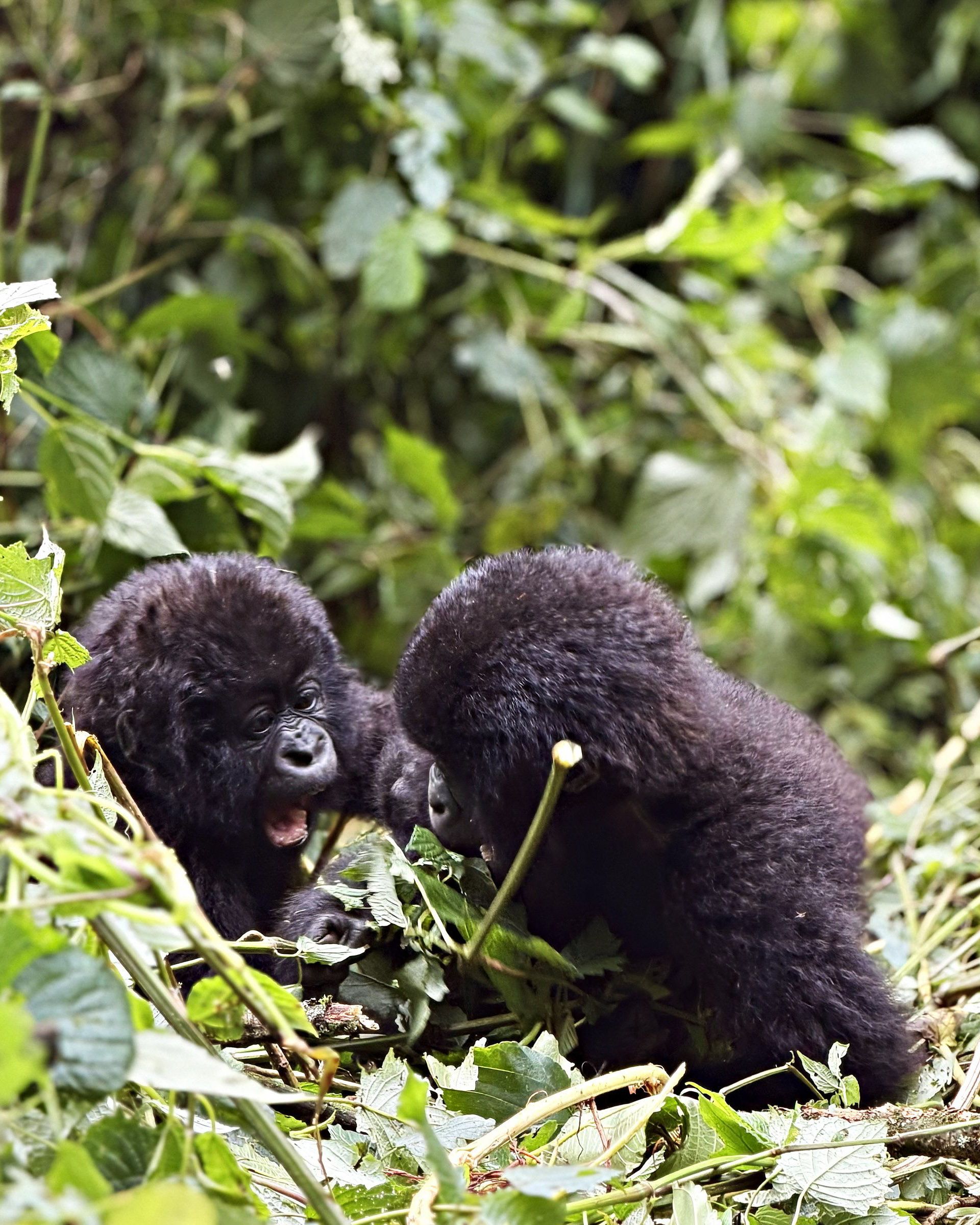
The first one I saw was a juvenile, four or five years old, sitting at the bottom of a rise with his legs spread out in front of him. He was not doing anything at all. He scratched his head, looked at us, looked away, then looked back for longer. This was the Kwizanga family. Lisanga, the silverback who holds it together, was further up, and the walk in had been short, which we did not yet know to be grateful for.
Mountain gorillas live in Rwanda, Uganda and the Congo, so the animal is not the reason you pick a country. Rwanda is. It has the more interesting history, and the best places to stay. We were four: me, my oldest friend, and both our mothers. Two generations on one trip is a harder brief than it sounds, and Rwanda is unusually good at it: a day with two halves can be shared even when a mountain cannot. You spend the morning in a place that runs entirely on the animals’ terms and the afternoon in one that runs entirely on yours. I did not go looking for that contrast. I found it.
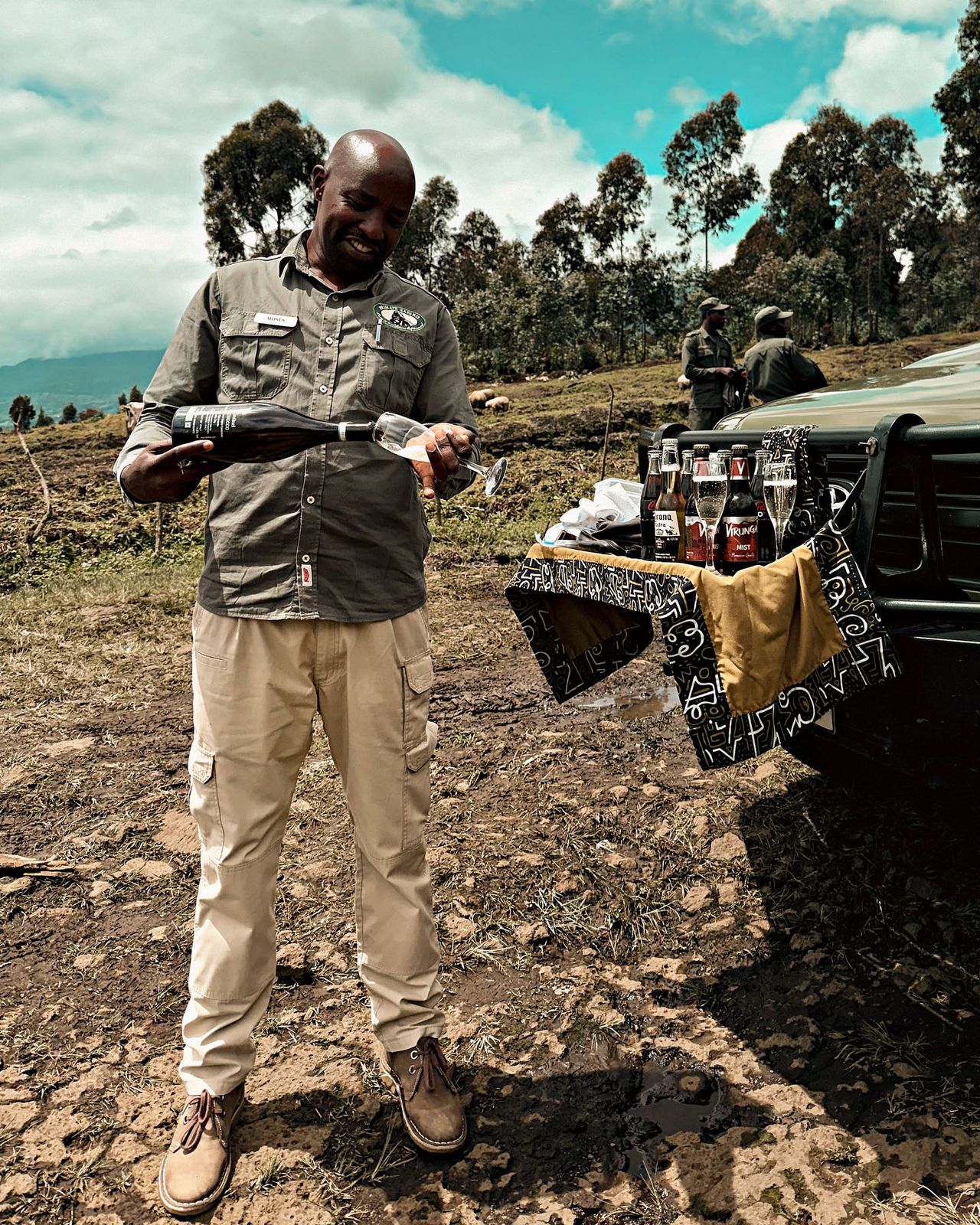
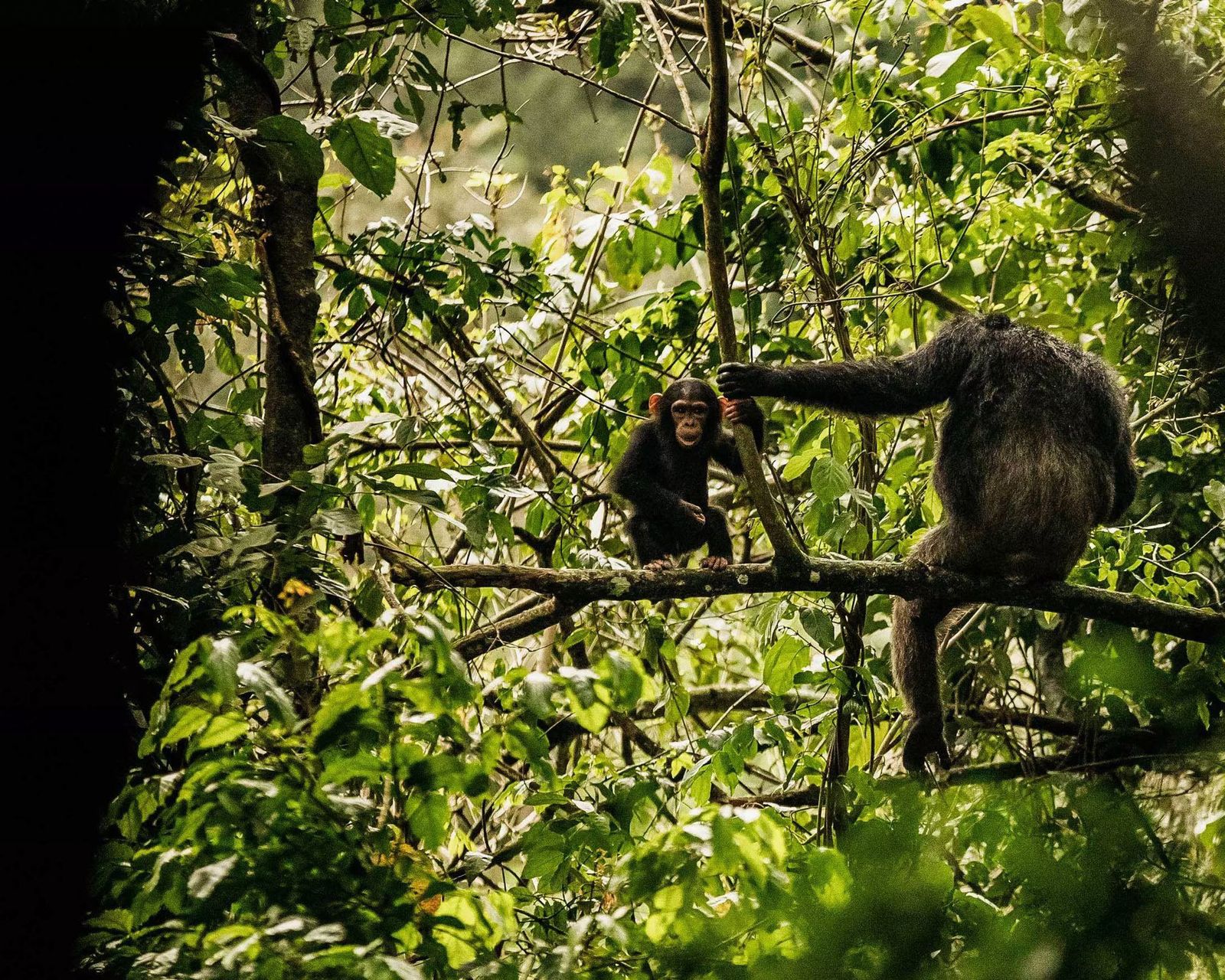
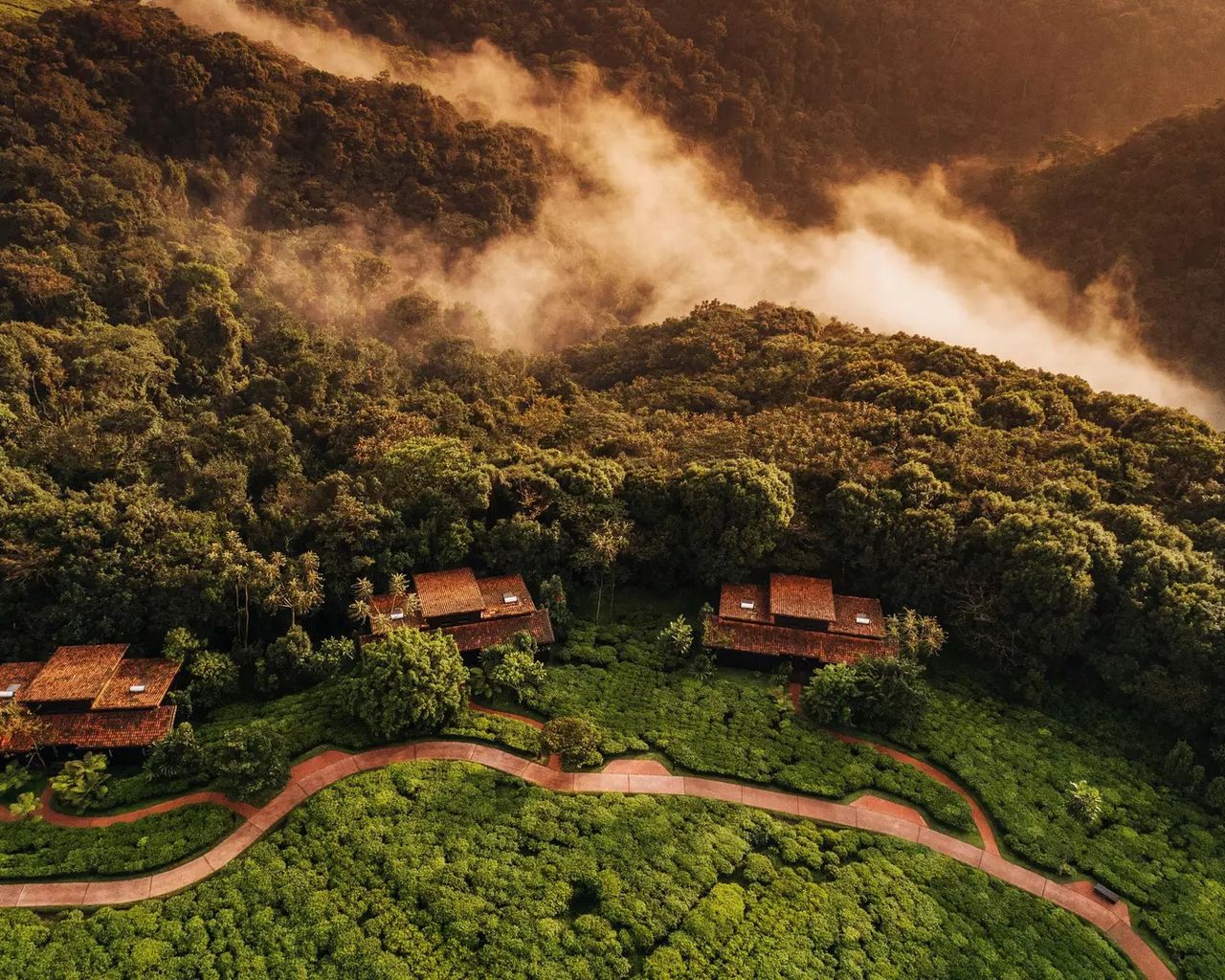
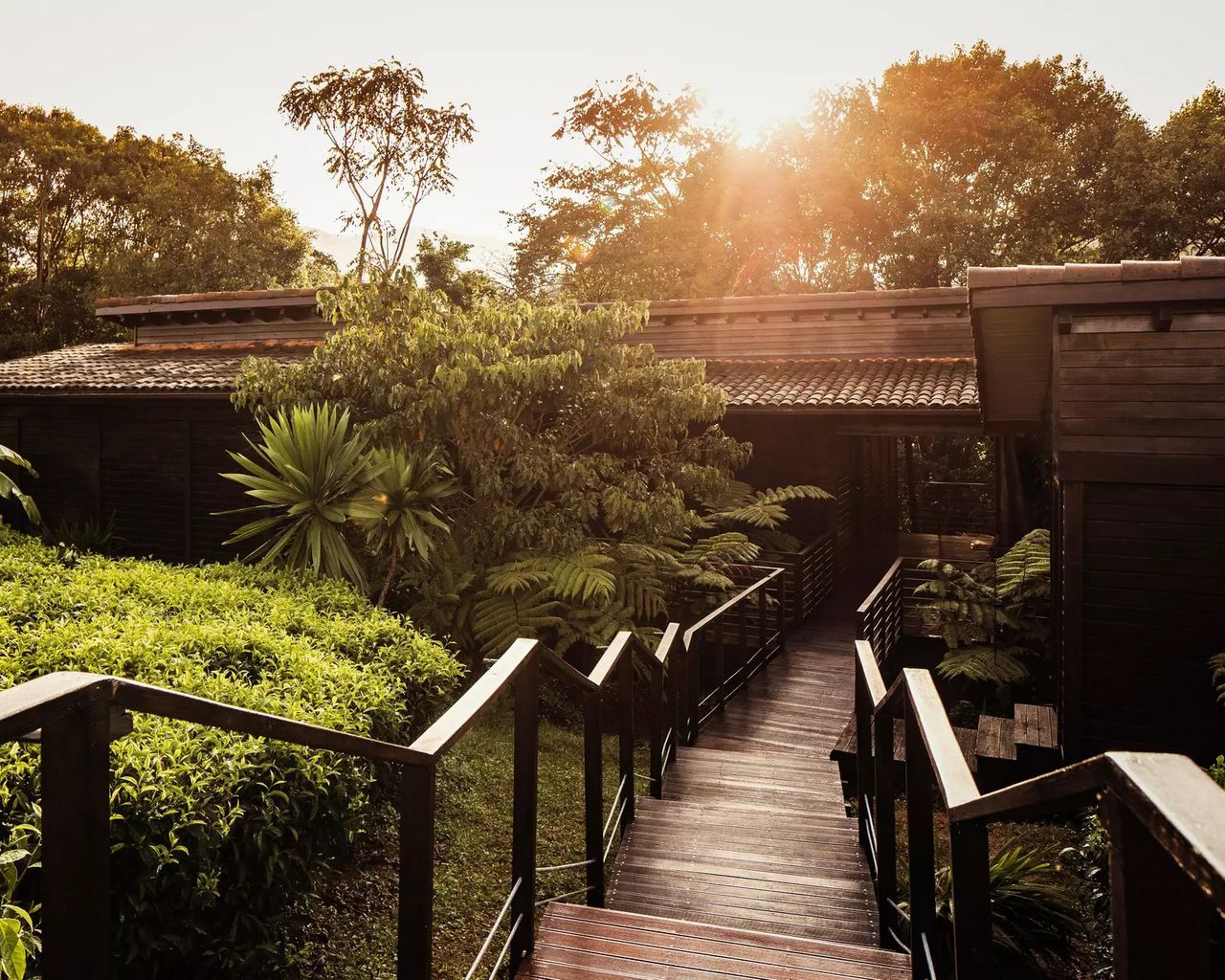
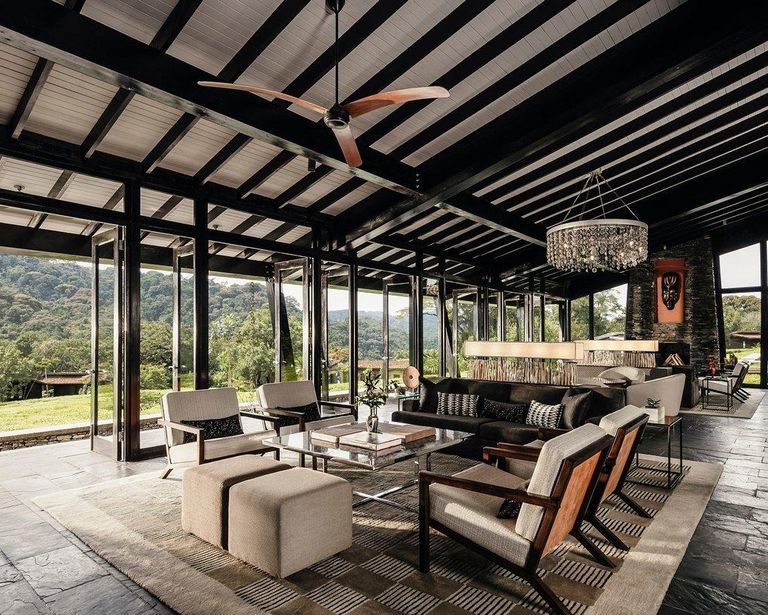
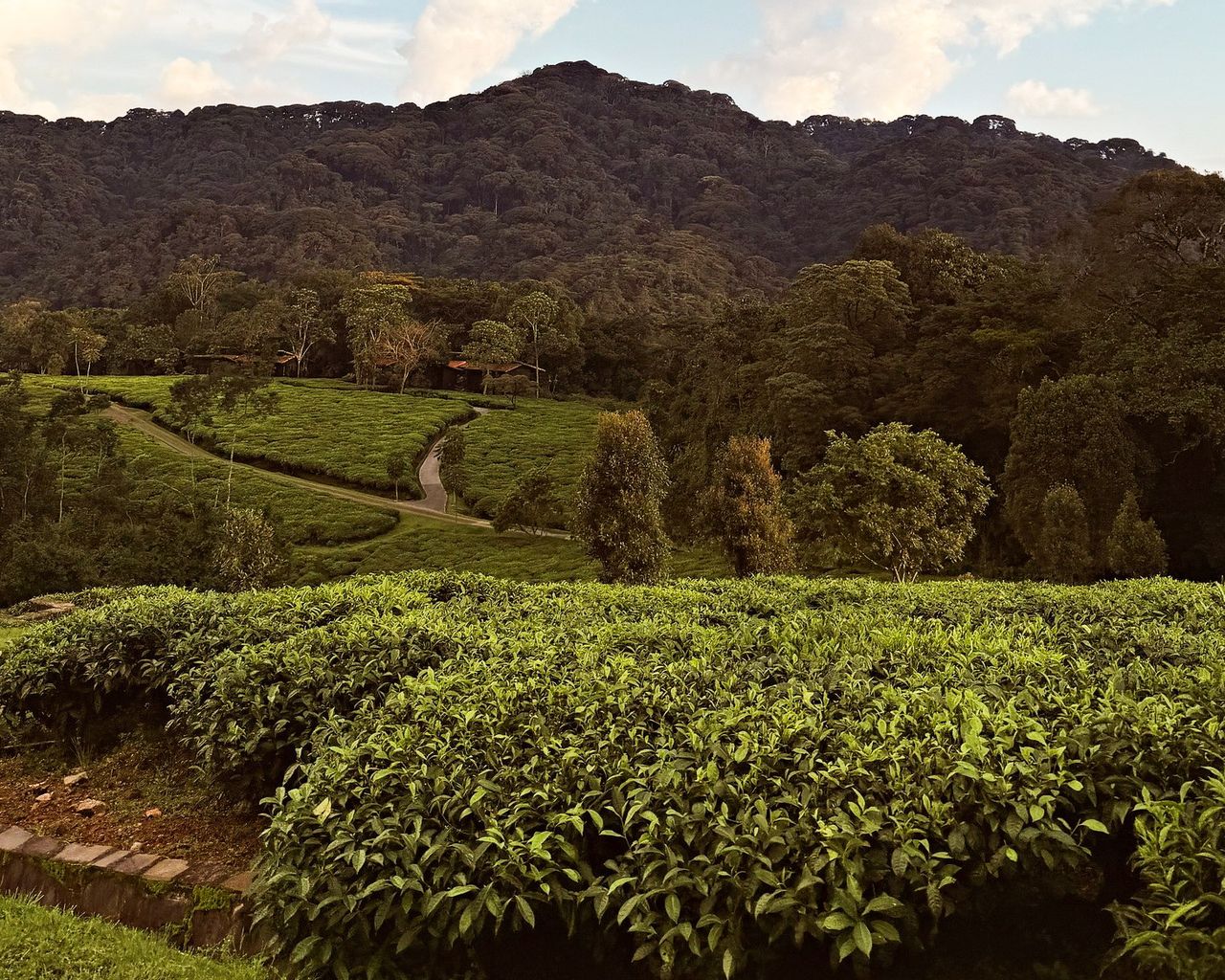
Start in the south. Nyungwe is montane rainforest that was never cleared, UNESCO-listed in 2023, and One&Only Nyungwe House sits on the edge of the Gisakura tea estate, the tea a luminous green against the black wall of the forest behind it. The house sits inside a working plantation, cloud comes down over the hills most afternoons until the rows fade into it, and the tea you taste in the lounge was picked within sight of your room. Do the smaller primates here and do them first. The chimpanzees move fast and without warning and ask a great deal of anyone not young or not fit; the colobus, several dozen through the canopy at once, ask nothing. Then a day in the car, the length of the country. Moses drove it, and did the whole eight days with a smile that never looked like part of the job. He knew without being told when to talk and when to leave us to the window. With four people of different ages in one car, that is not a small skill.
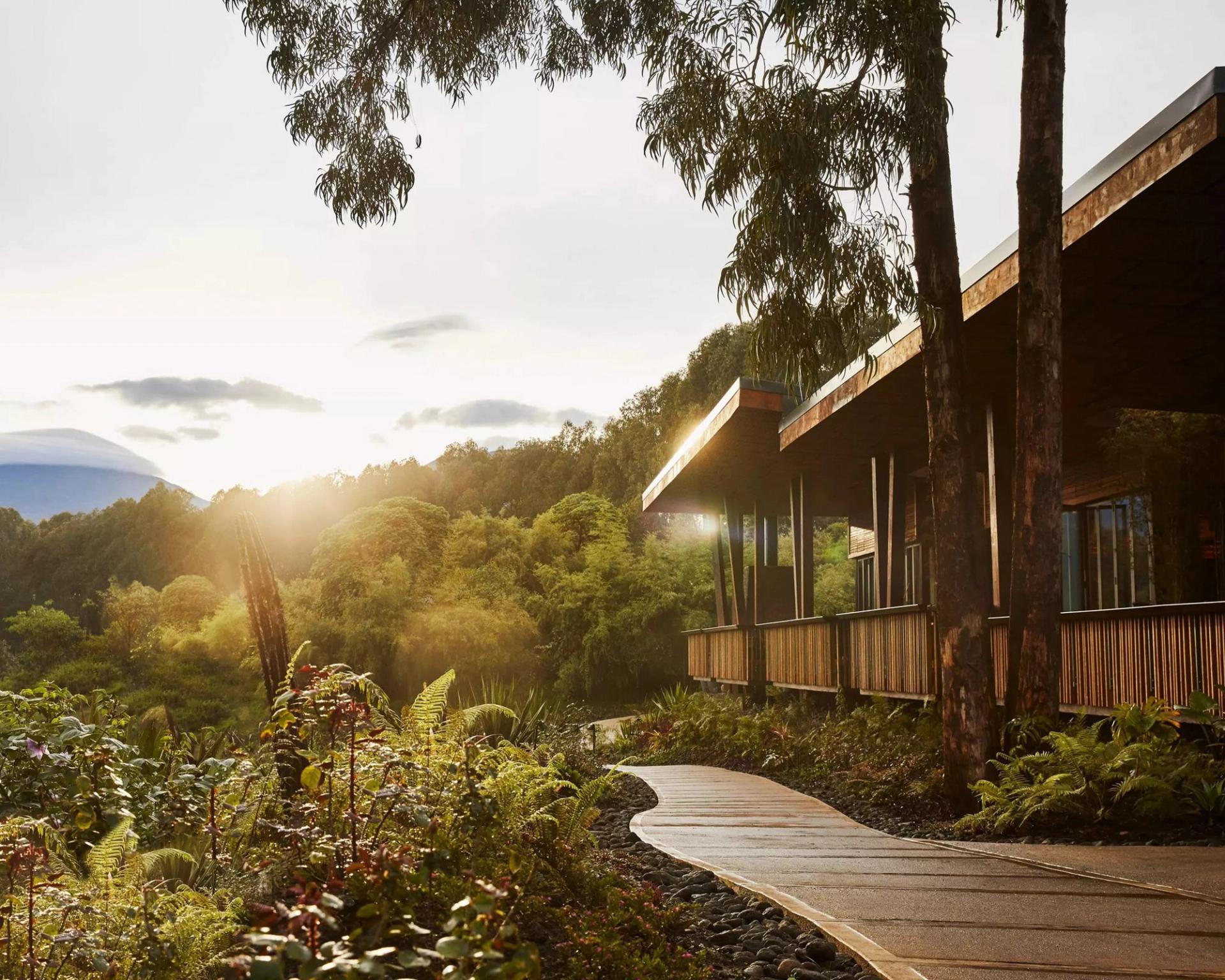
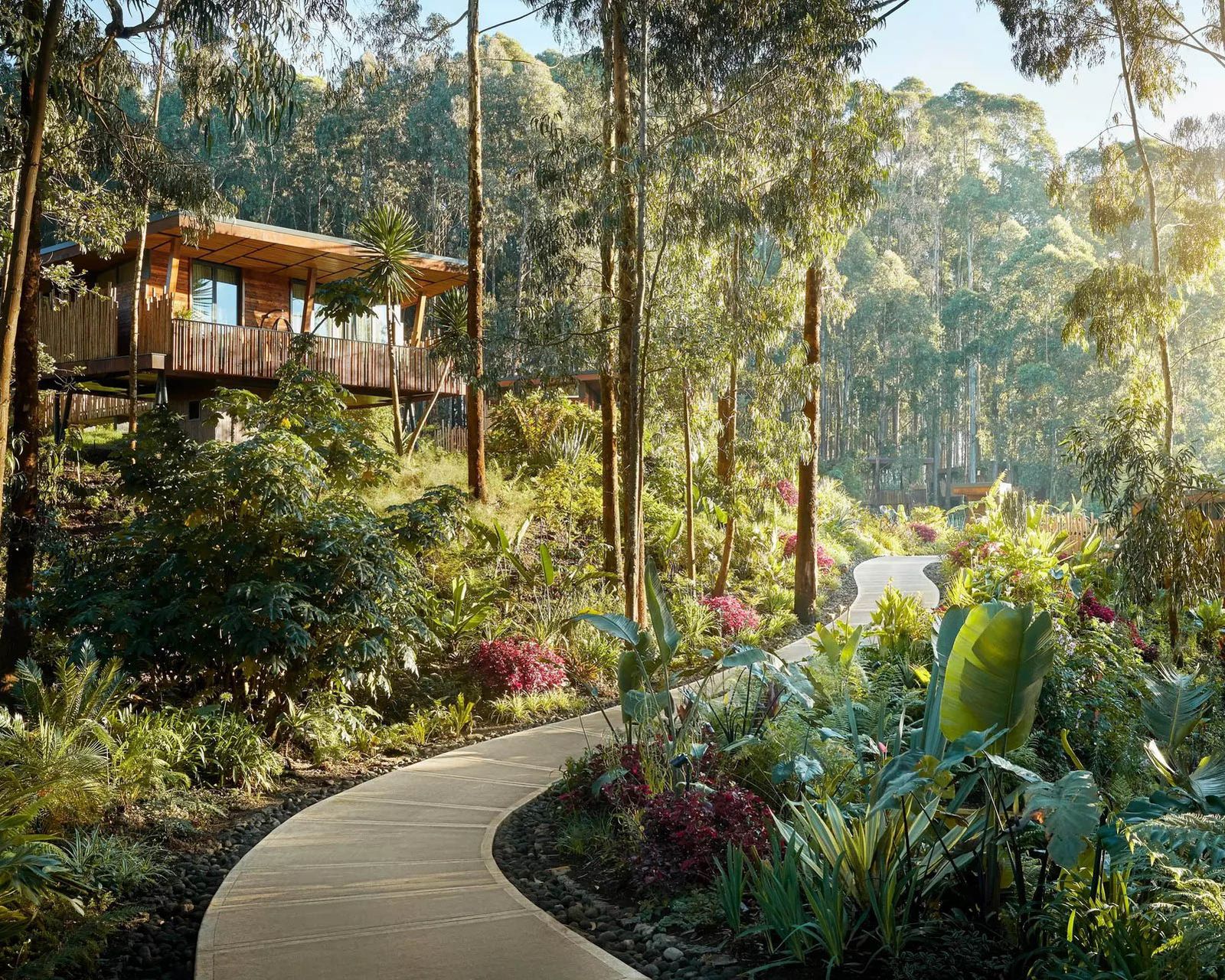
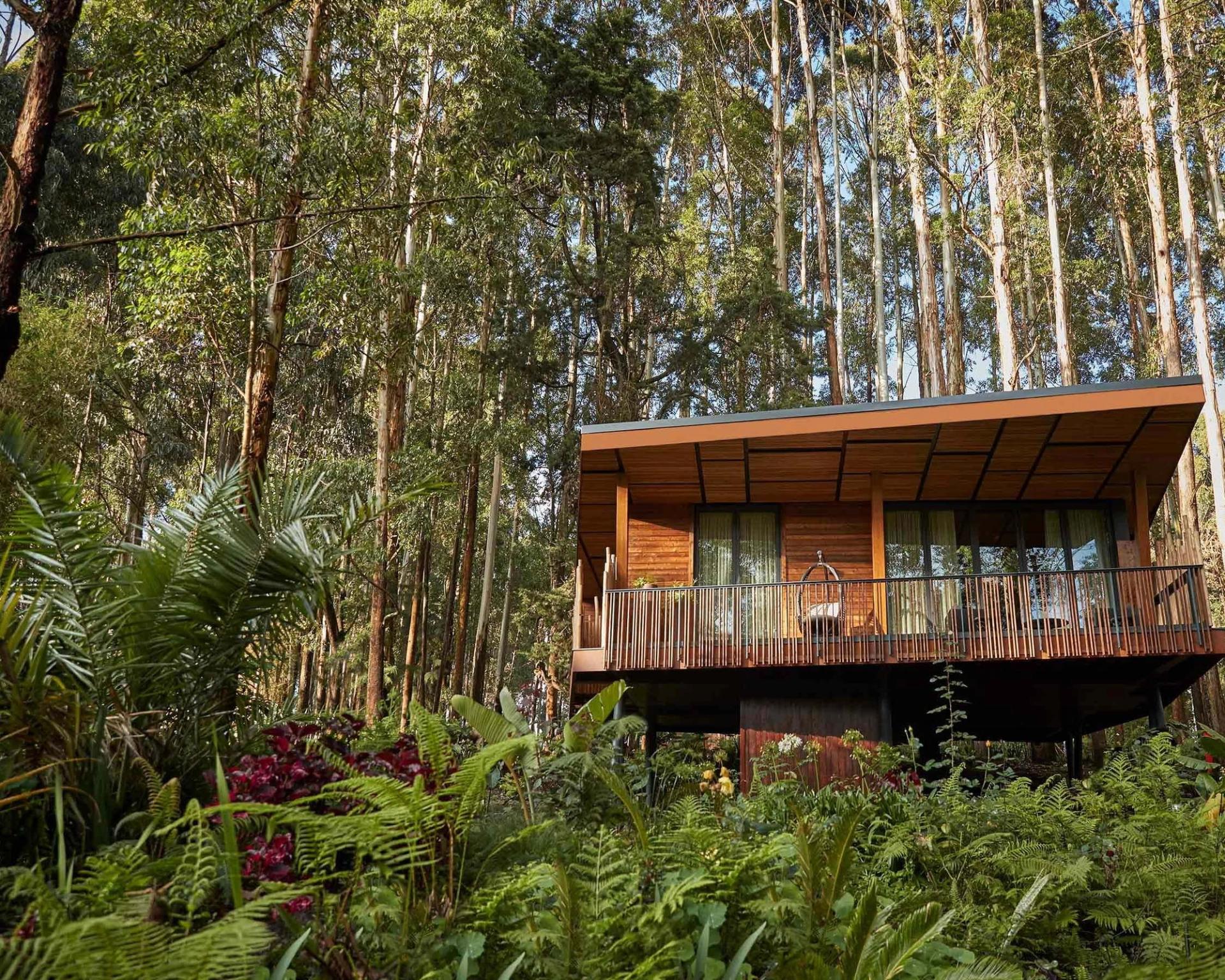
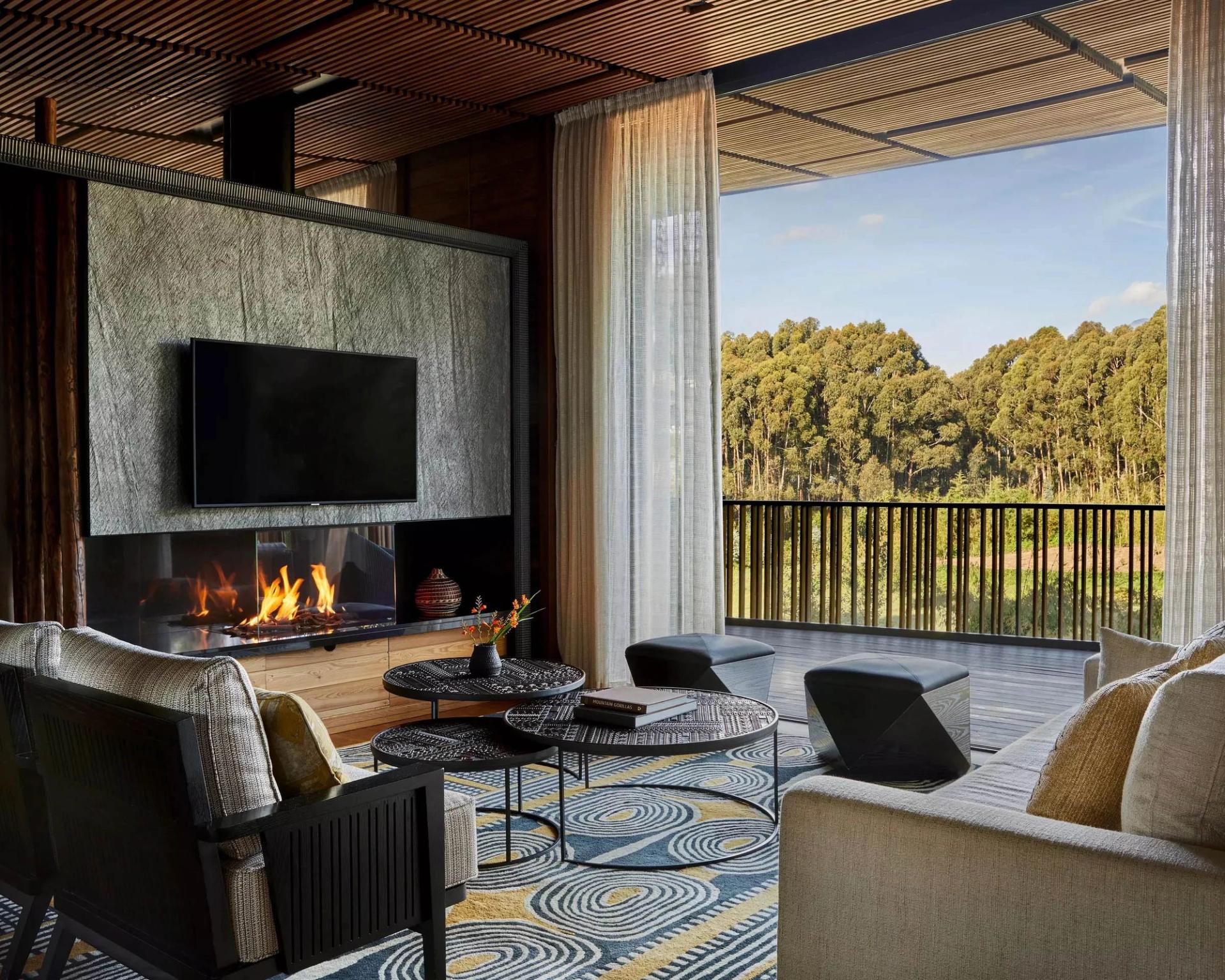
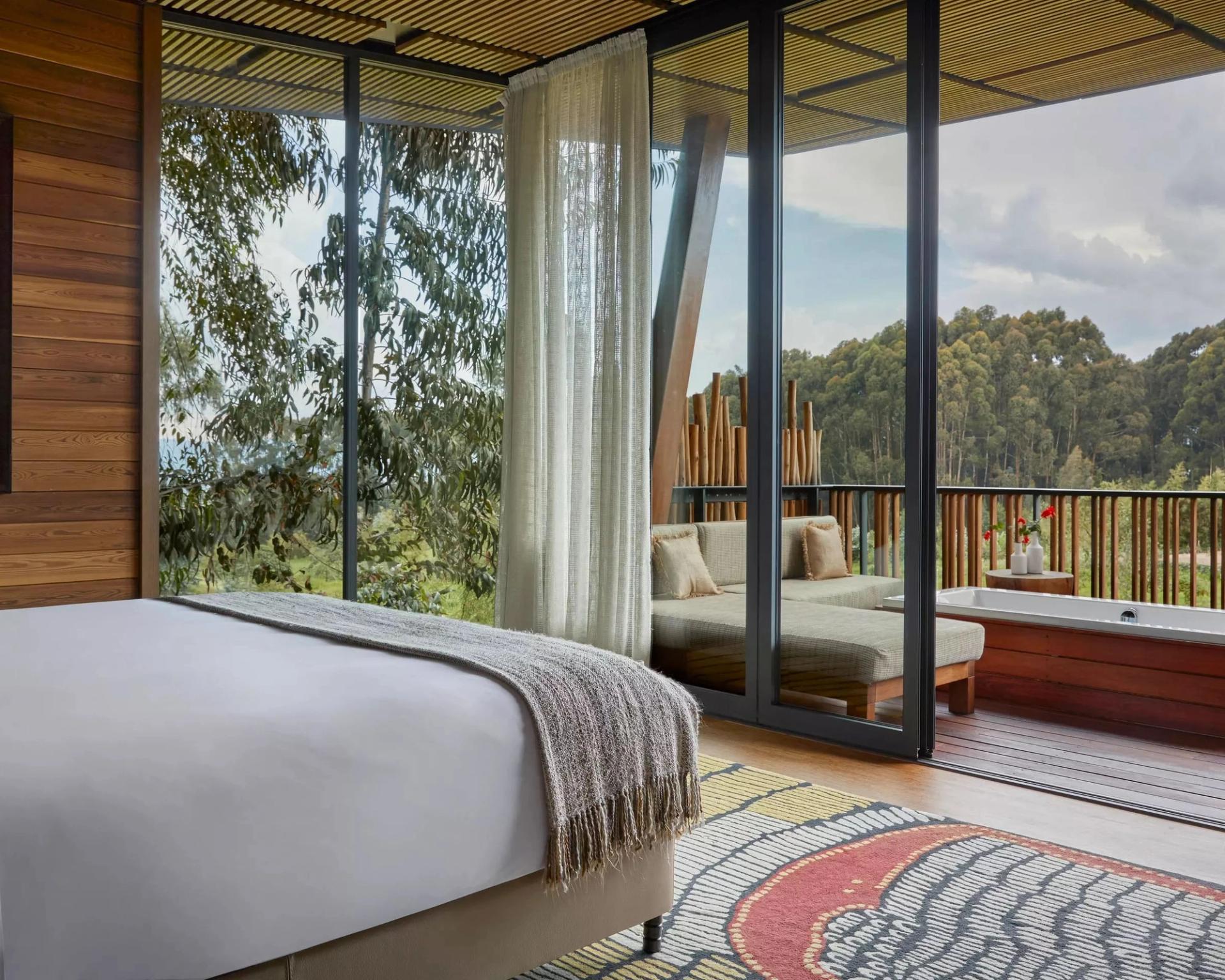
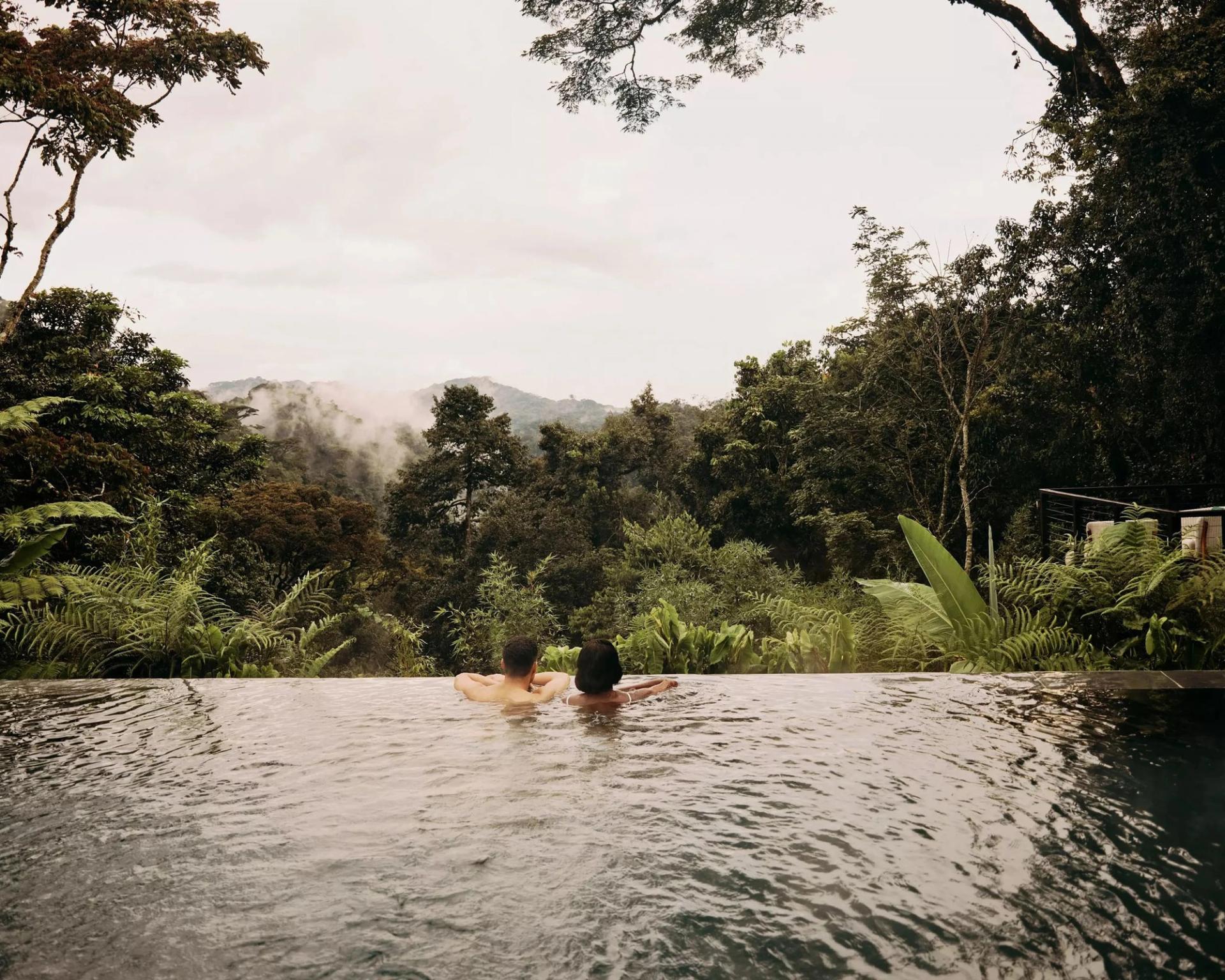
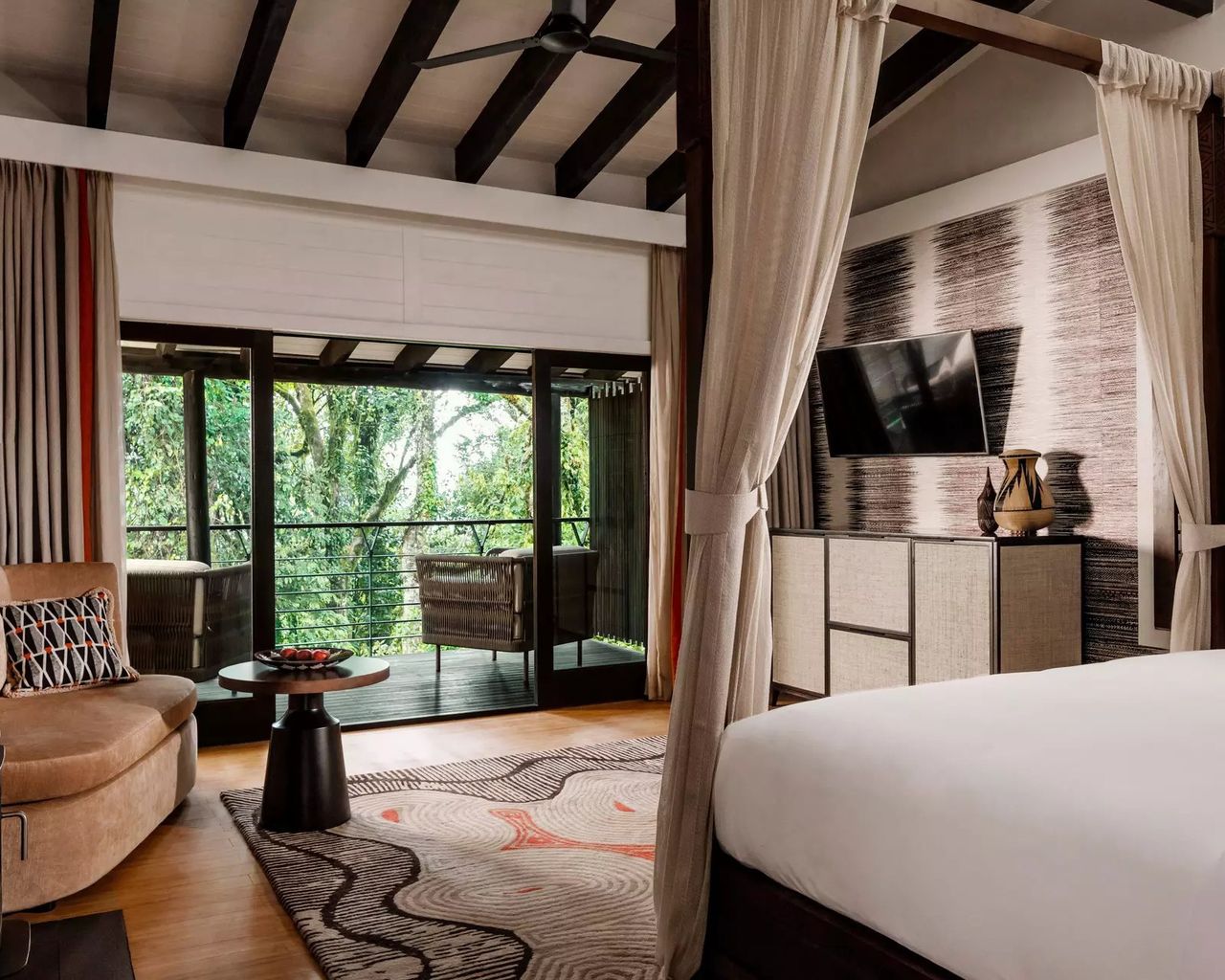
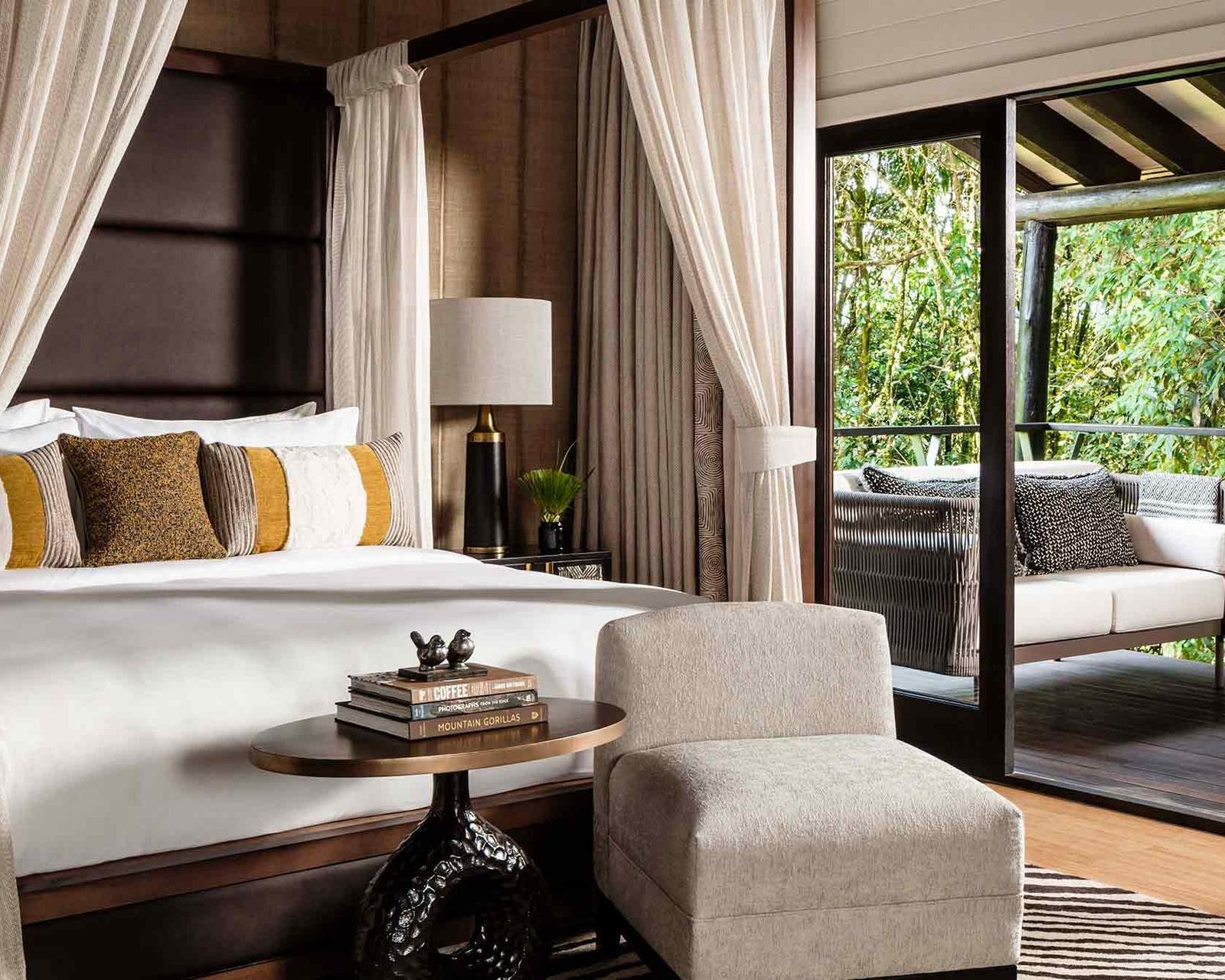
One&Only Gorilla’s Nest is 21 rooms in a eucalyptus plantation at the foot of the volcanoes, and it has become the icon of this corner of Rwanda without behaving like one. Nothing announces itself, everything works, and the house never forgets what country it is in: the wood and stone are local, the people are, and some evenings dancers come up from the villages below, a welcome rather than a show. We had the Virunga Suite, where the bath sits outside on the terrace so you lie in it with the mountains in front of you and the cold coming off them. The infinity pool sits in the spa, as it does at Nyungwe, heated against evenings that turn foggy at altitude; after two days on those inclines it is repair, not decoration. One evening the four of us wanted to eat in the suite, and dinner came without becoming an event: two waiters for the night, everything arriving a beat before it was asked for. That is what the whole hotel is built around. Privacy not as a gate and a long drive, but as a house that lets you disappear into it.
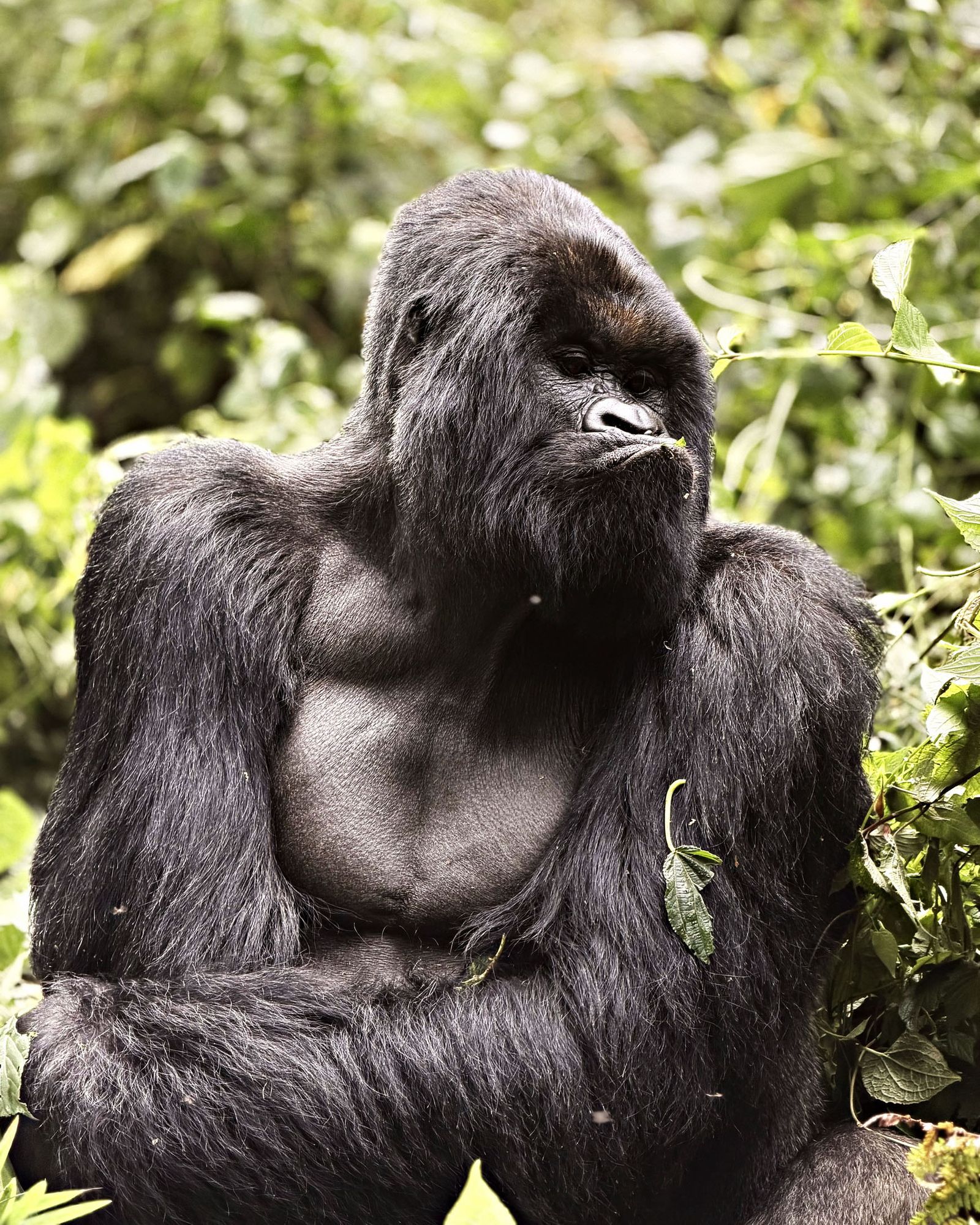
There is no path, only the line the guides cut, and the ground under it is either solid or three feet of mud with no telling which. Porters carry your bag and take your arm on the descents, paid directly. The steeper it gets the louder your breathing, then the guides stop, everything stops, and the silence is what I remember. Marambo had an open wound above his left eye and a female sat behind him working dirt out of his back, grooming the one who takes the risks for all of them. The young ones are what undo you: falling off things, climbing back on, coming towards you because you are new and losing interest halfway. You watch it through a mask: a cold of yours can go through a family. The rule is seven metres. Marambo passed us at half a metre and the juveniles ignored it entirely. The rule is on us, not on them.
You come down off that mountain wet, muddy and not much like talking. Moses had built a bar on the bonnet, waiting at the park gate, and we stayed with it a while before anyone mentioned the hotel. The boots go from the door heavy with mud and return by evening looking unworn, a bath is drawn on the terrace, and the pool is steaming into fog off the same mountain you were standing on at six. Everything before noon was arranged around them. Everything after it is arranged around you. Doing both inside one day is the argument for Rwanda.
There were 242 mountain gorillas left in the Virungas in 1981, and Dian Fossey expected them gone by the end of the century.
“When you realize the value of all life, you dwell less on what is past and concentrate more on the preservation of the future.”
There are around 600 now and roughly 460 in Bwindi across the border, and nowhere else on earth. They are the only great ape whose numbers are rising. The permit is 1,500 US dollars. Ten per cent of park revenue goes to the communities around the forest and has paid for several hundred schools, clinics and water projects. The price is not a gate. It is the mechanism.
Dinner at both houses runs to a set menu, and some evenings you want more choice. Then you remember you are hours from anywhere, eating what the valley grew that week in a kitchen that will not fly things in. It is the one thing neither house will arrange around you. Nor is this a soft week: four o’clock starts, real altitude, wet ground and a fair amount of driving. On the way to the airport we stopped at the Kigali Genocide Memorial, where around 259,000 people are buried. Nothing I had read prepared me for standing in that room.
Both halves of Rwanda are forms of care, and the difference is who the care is for. The better half is the second. You get an hour, on their terms, in a forest that was very nearly not kept, and you walk back down knowing exactly how little of it was ever about you.